
Crater Lake
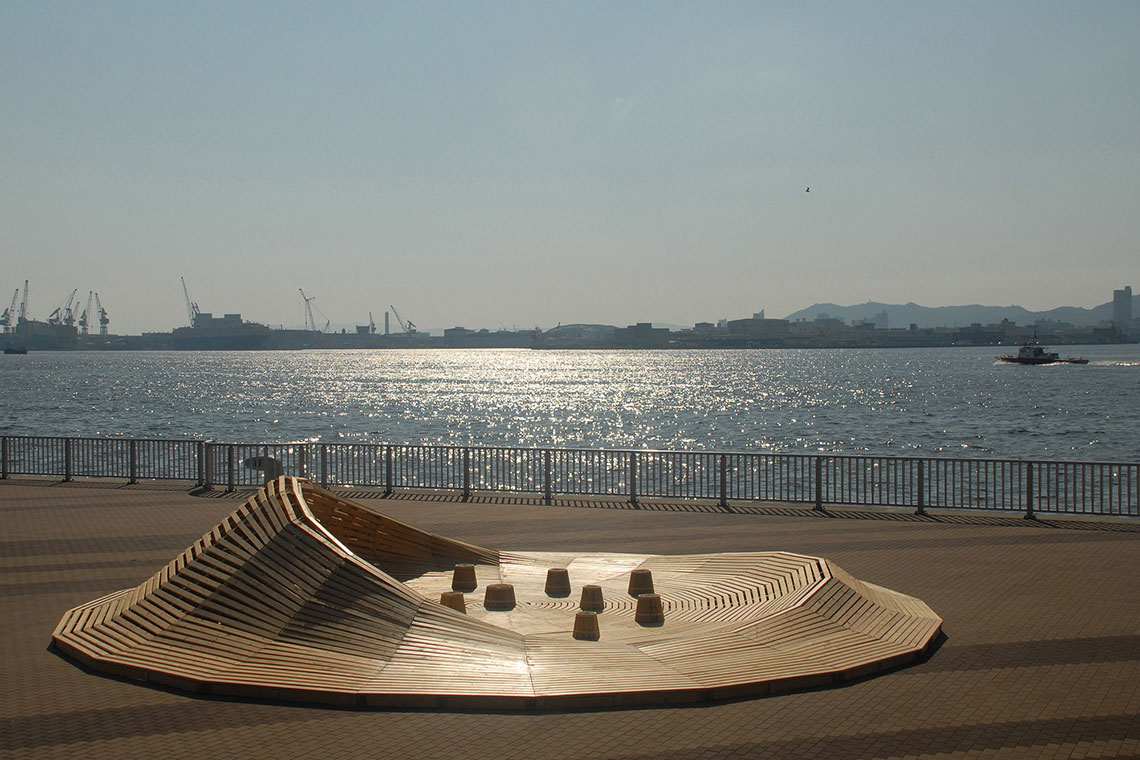
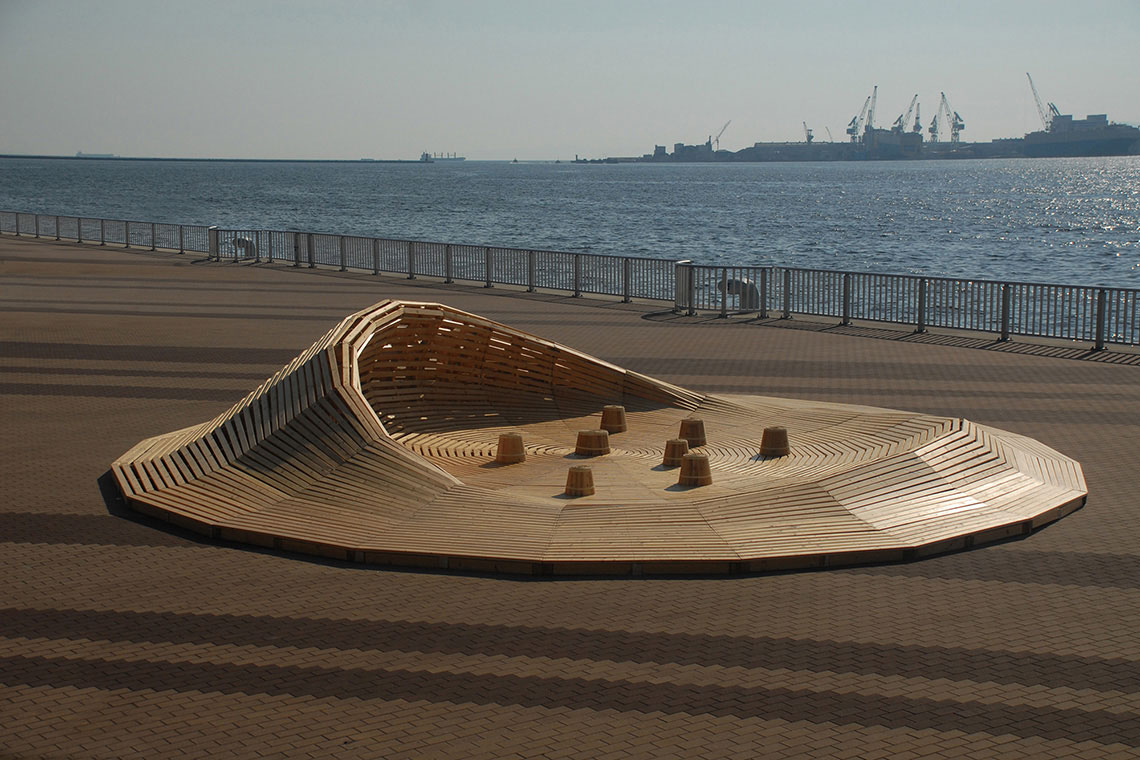
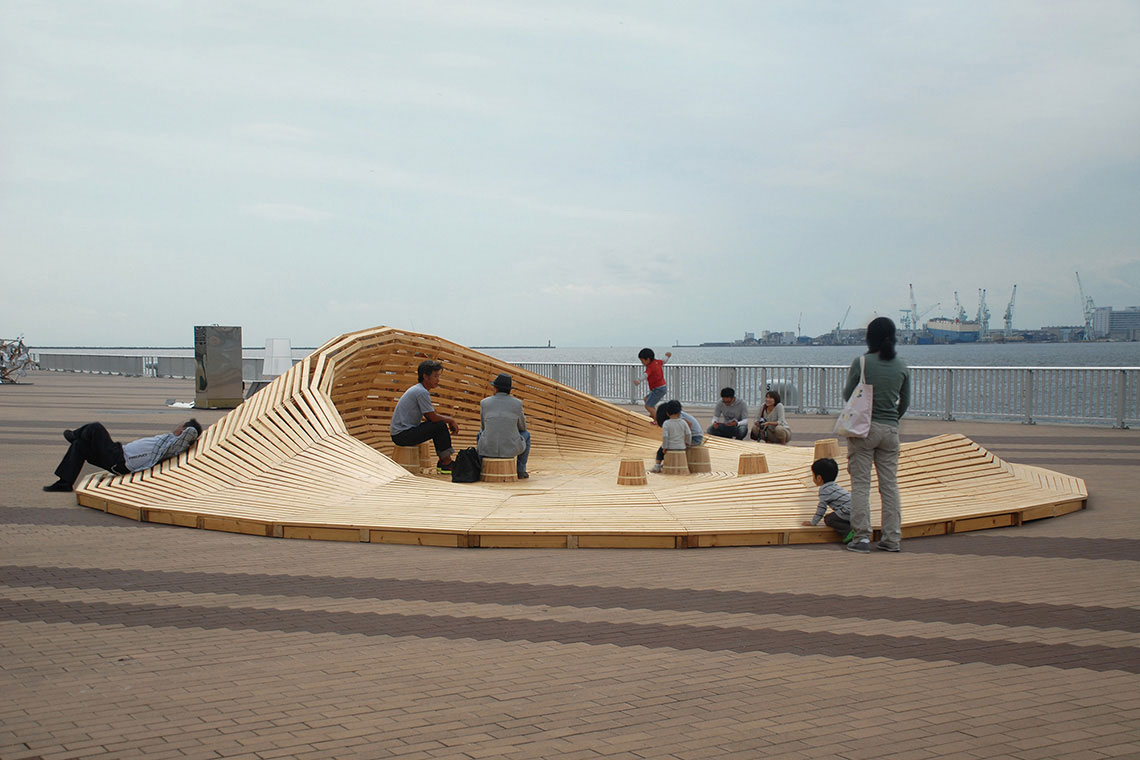
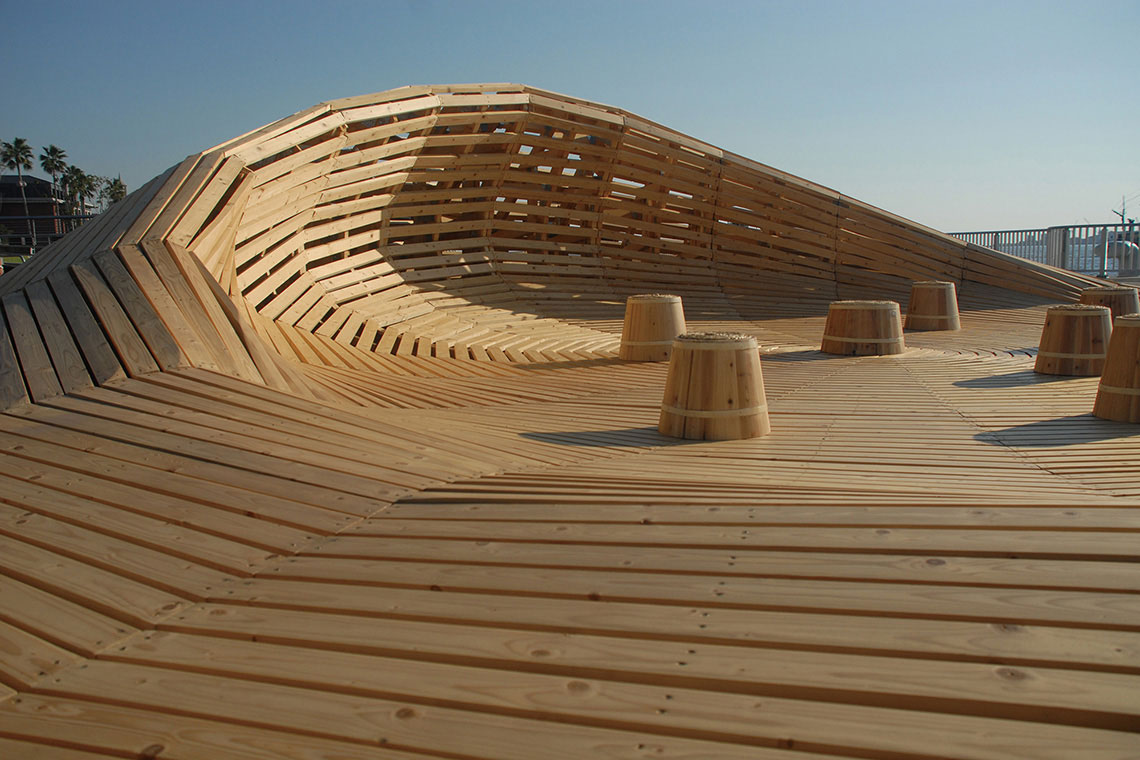
Crater Lake is a multi-use environmental installation, a sculptural meeting and seating place for visitors to contemplate the surroundings of Kobe City and inviting them to engage in a casual conversation.
The design motive is influenced by the history of the Great Hanshin-Awaji Earthquake of 1995 that led to inevitable changes within the built environment sparing only surrounding Kobe nature. This devastating experience is remembered by Kobe residents making them a persistent and tight community, but remaining open and friendly to the visitors of the city. Strong social ties between people helped to overcome the disaster and rebuilt the city making it a better living environment. Currently in the everyday life without problems and crisis, the face to face social interaction between people is decimating and it is one of the biggest problems in our technology driven time.
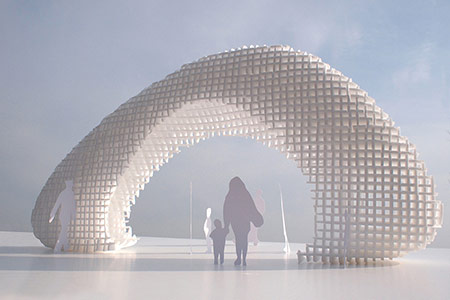
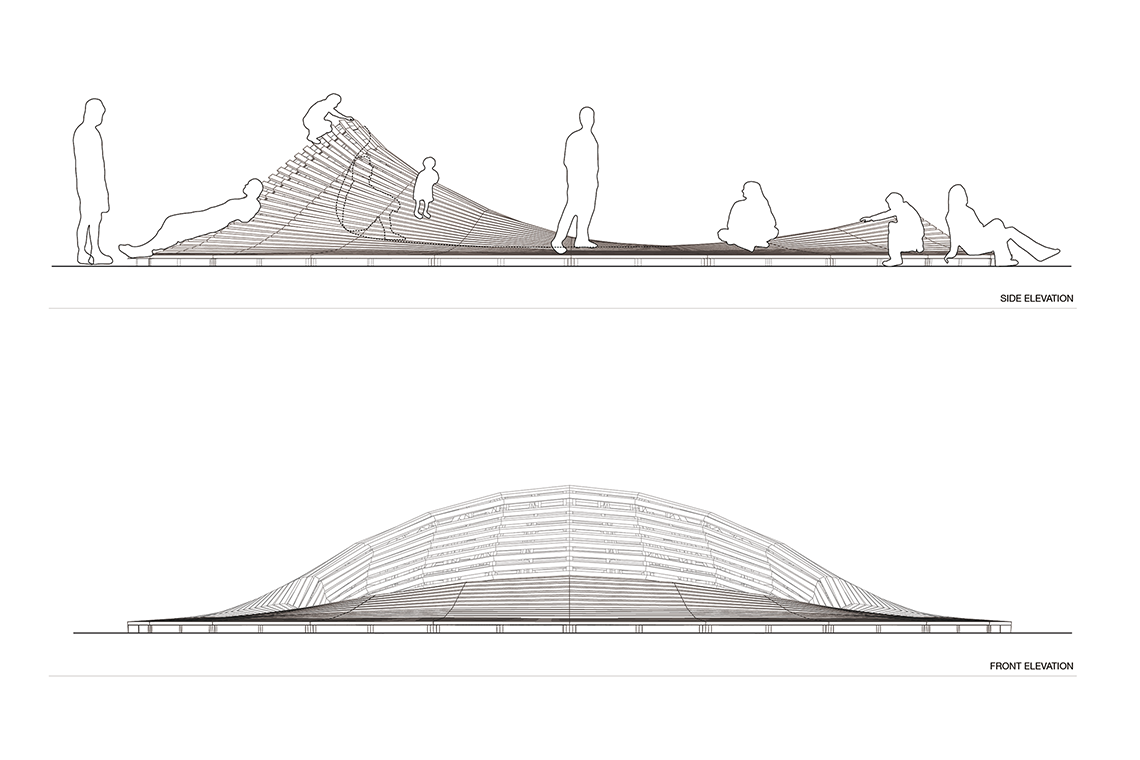
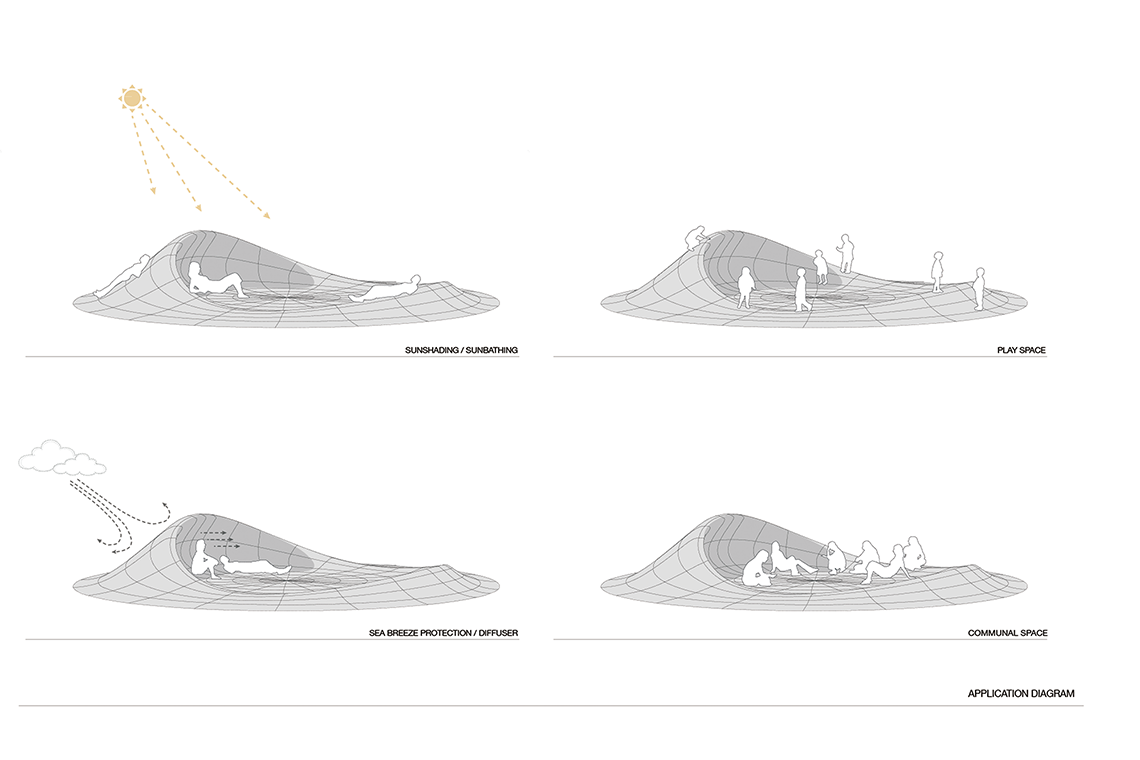
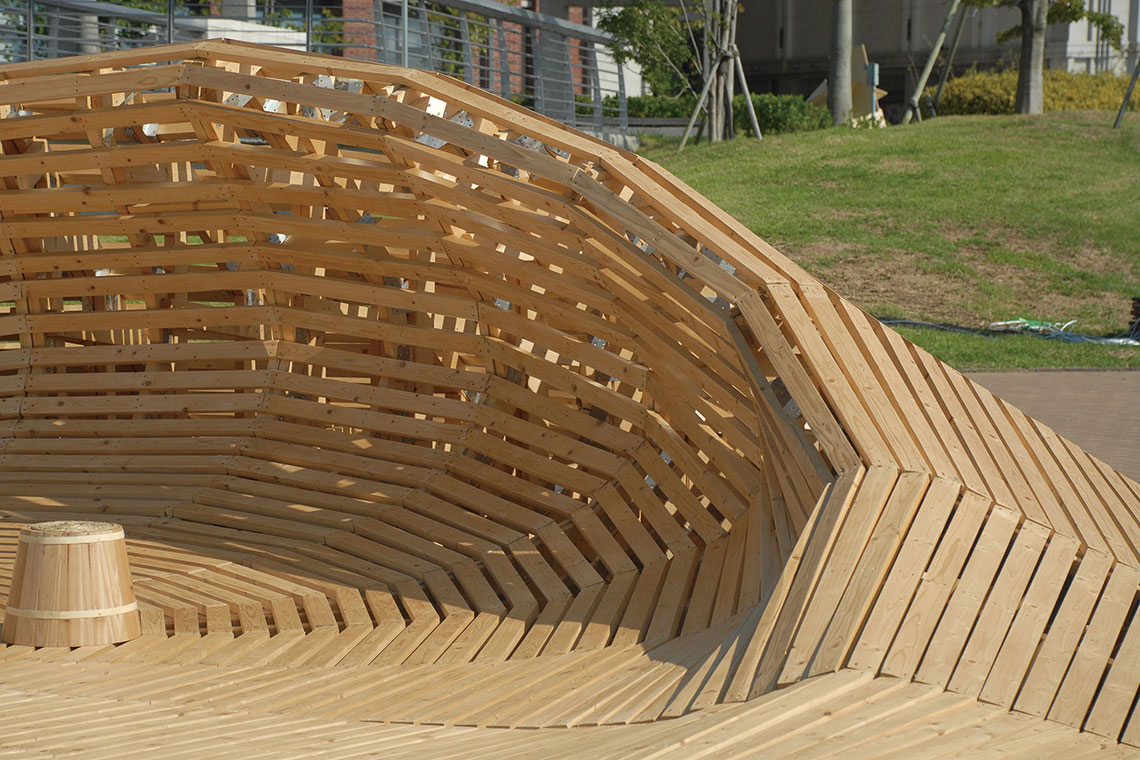
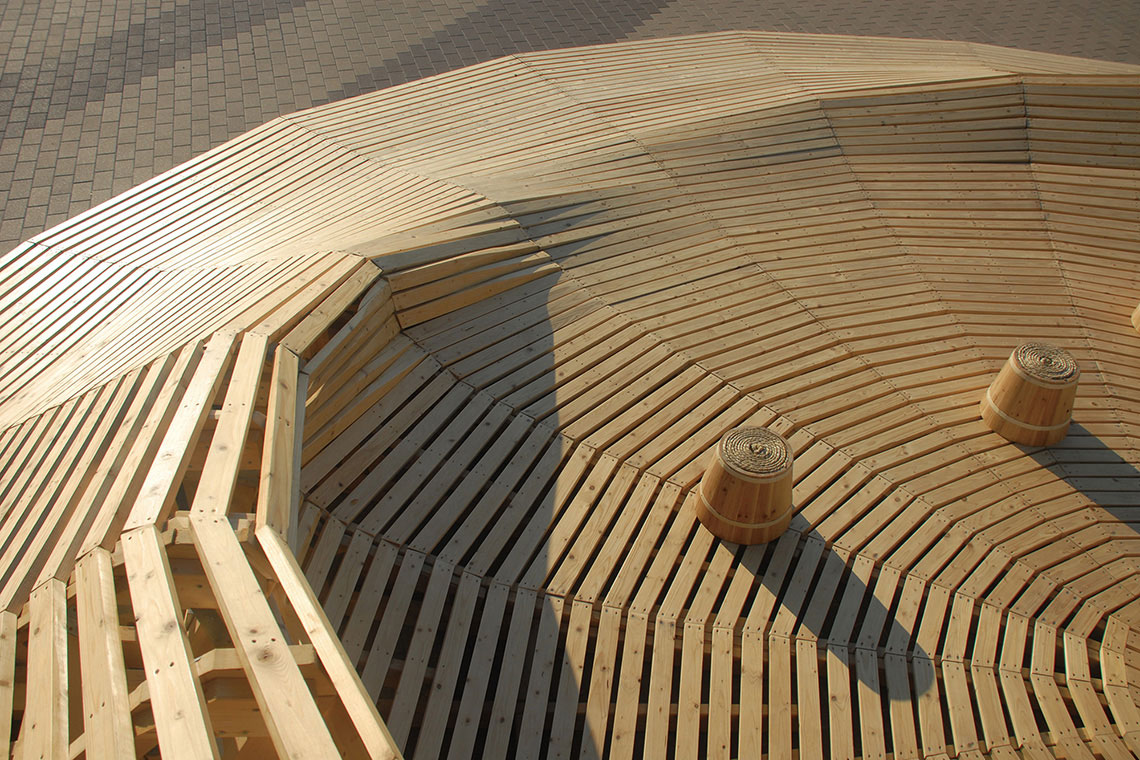
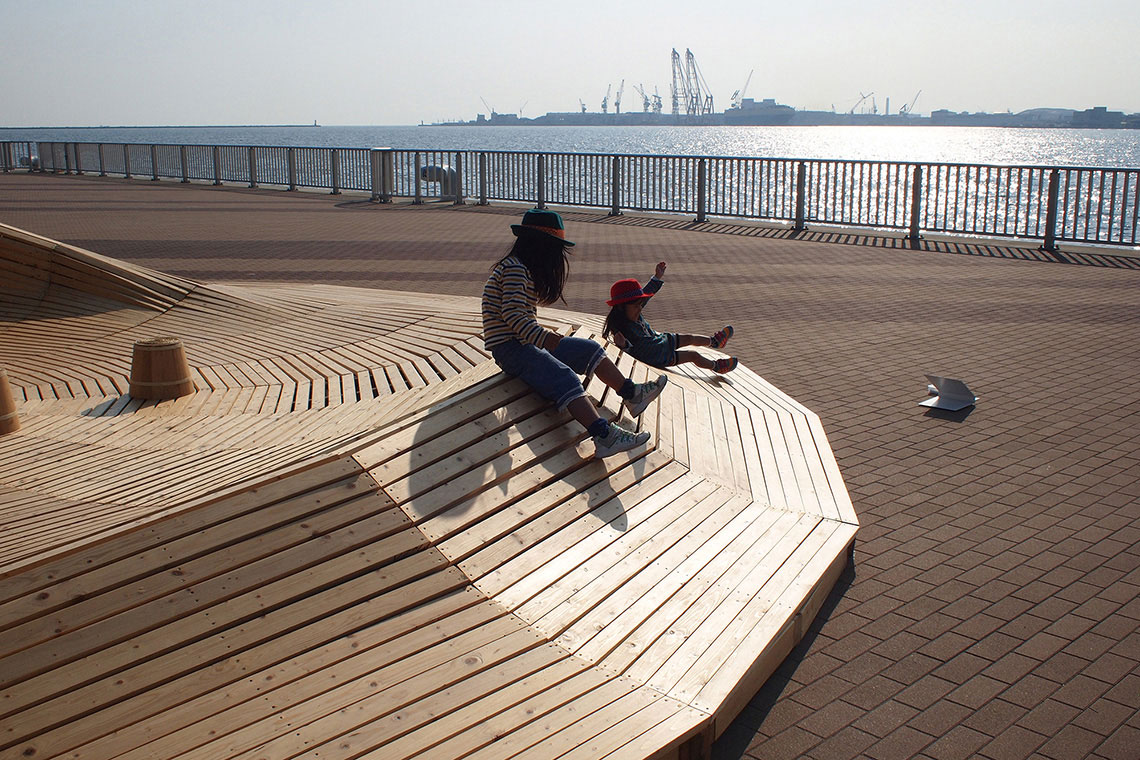
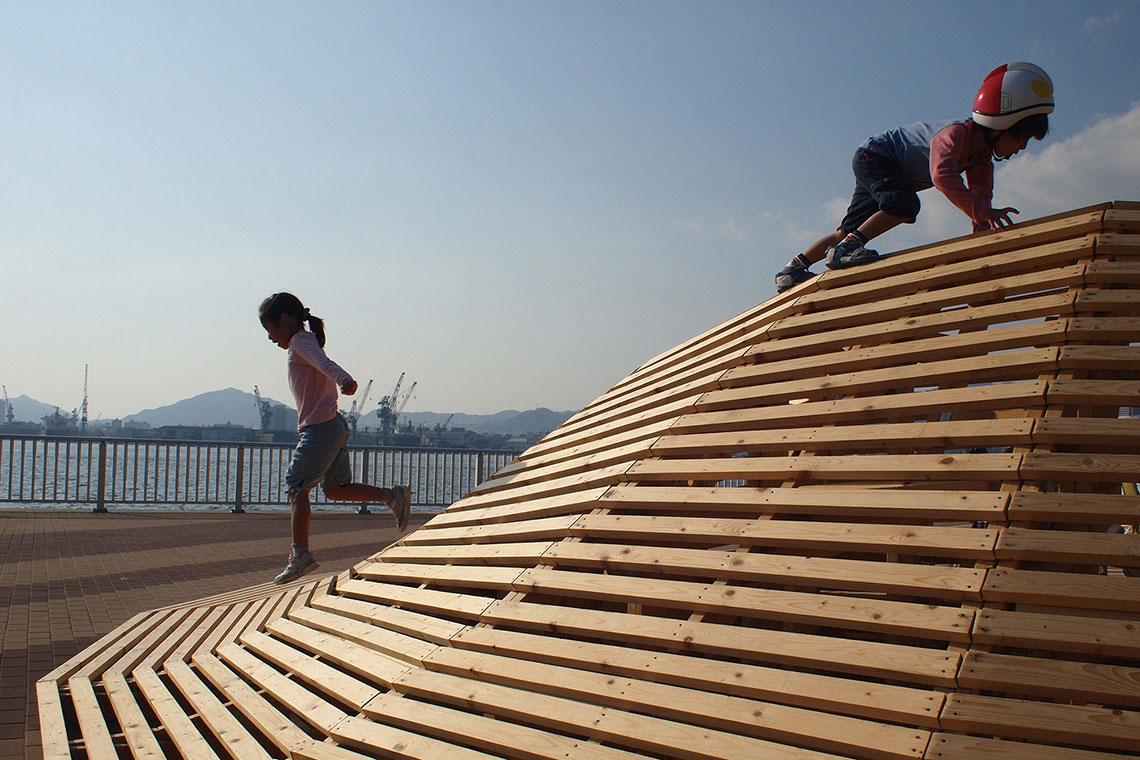
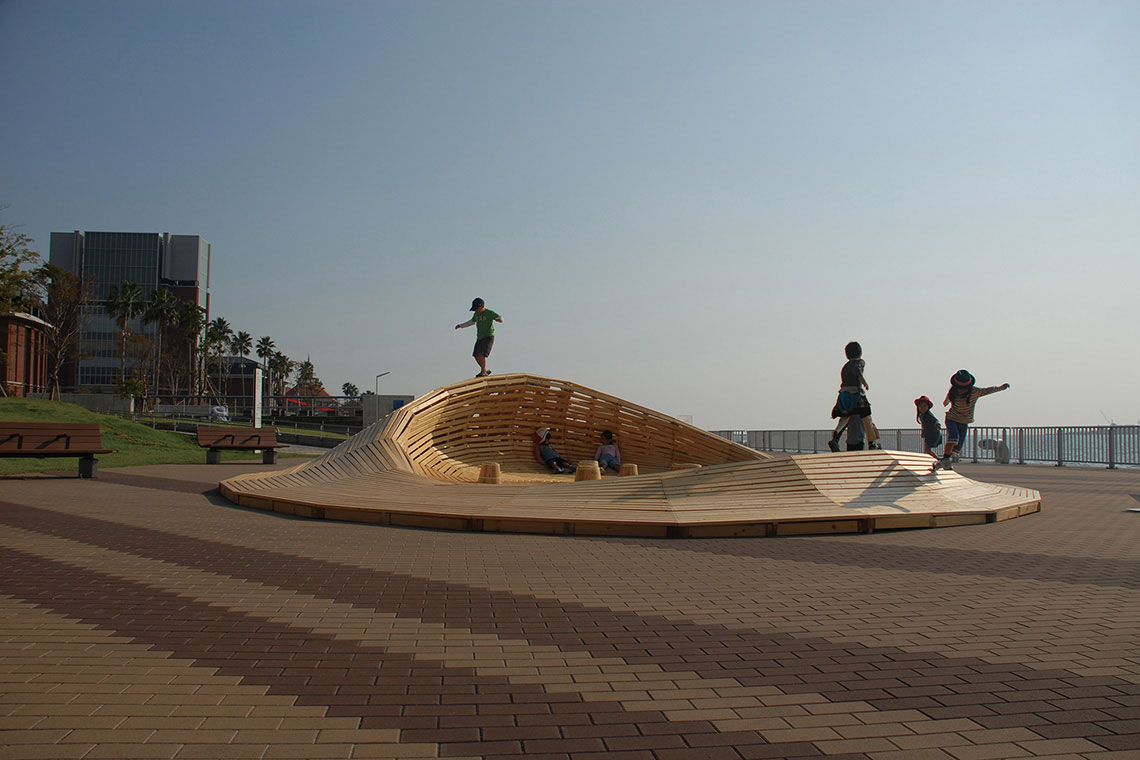
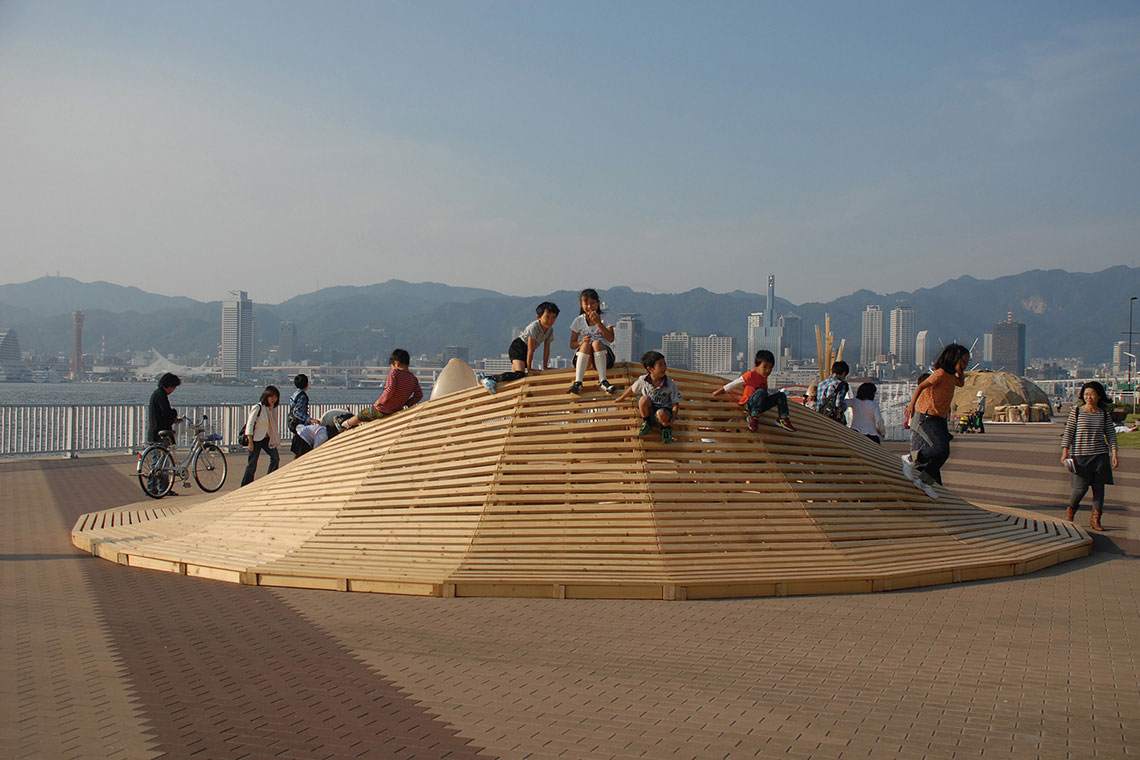
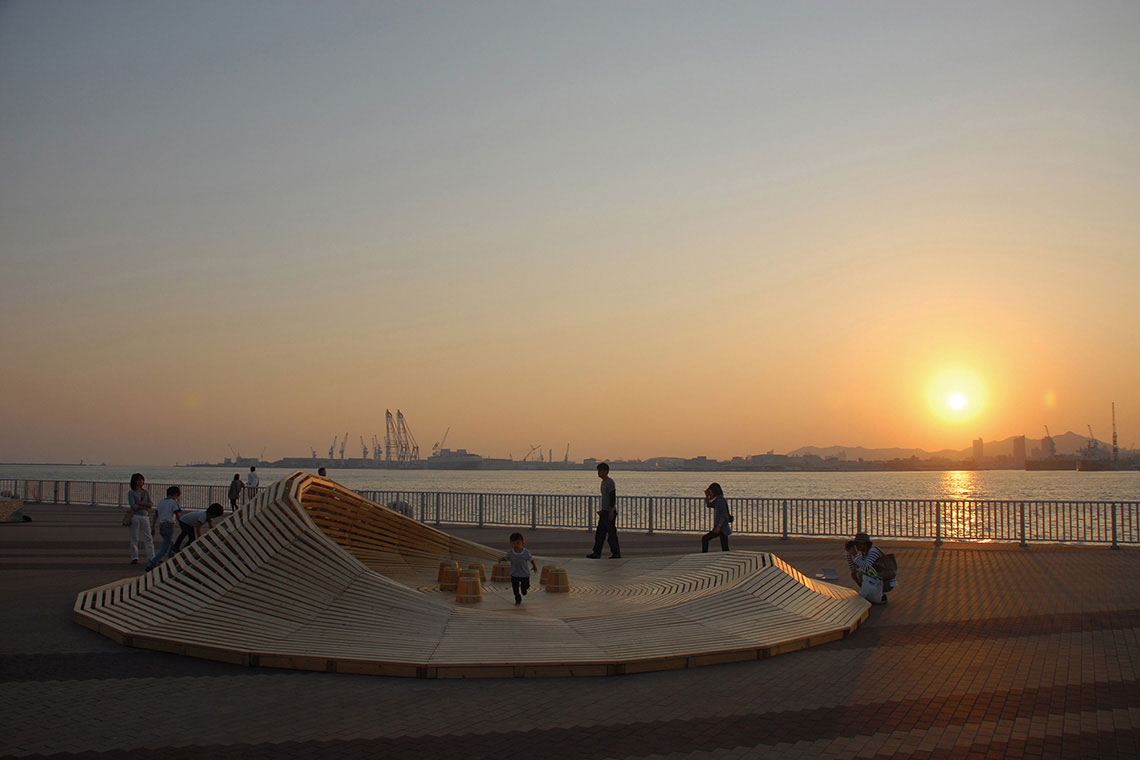
Crater Lake is an installation - environment where people have a place to meet to observe the beauty of the surrounding environment and more importantly casually sustain social interactions. The installation is situated in the man-made Port Island, Shiosai Park that provides a vast view of the Kobe urban center, its surrounding mountain-scape and seascape. Design intent of Crater Lake installation is emphasizes this unique location by creating an undulating wooden landscape that provides a variation of open and unconstrained settings with 360° viewing vista. Every surface may be utilized as a seating and lying down surface. Additional seating stools are set in the middle of the space that can be reorganized accordingly to the user's preferences. The gentle hill surfaces invite people of multiple generations by providing various spatial conditions to interact with the landscape space like a playground device, relax in the shade of the mount, and socialize by seating in preferred order.
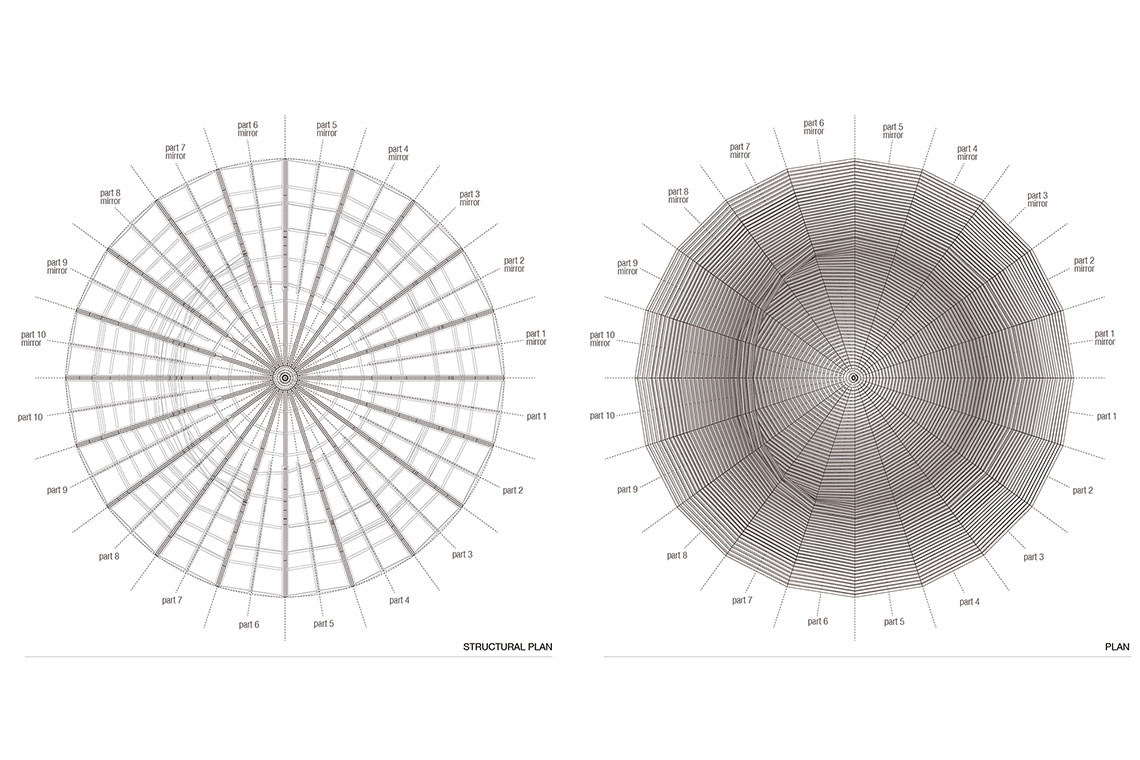
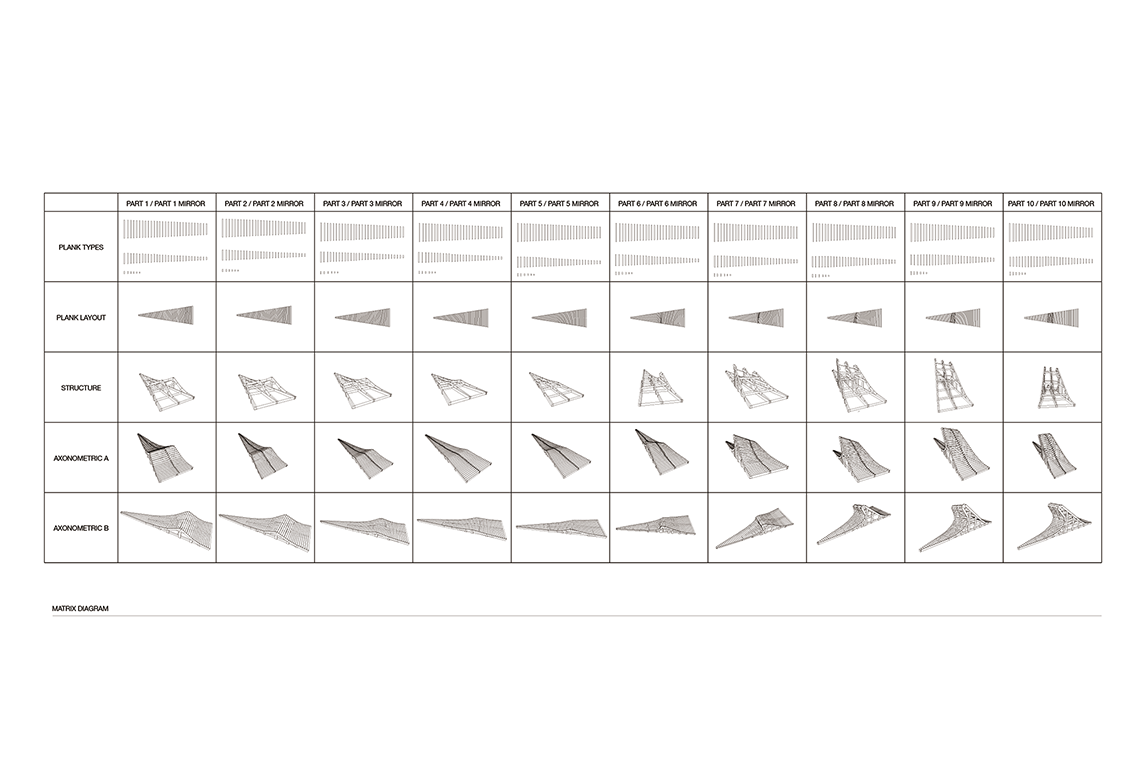
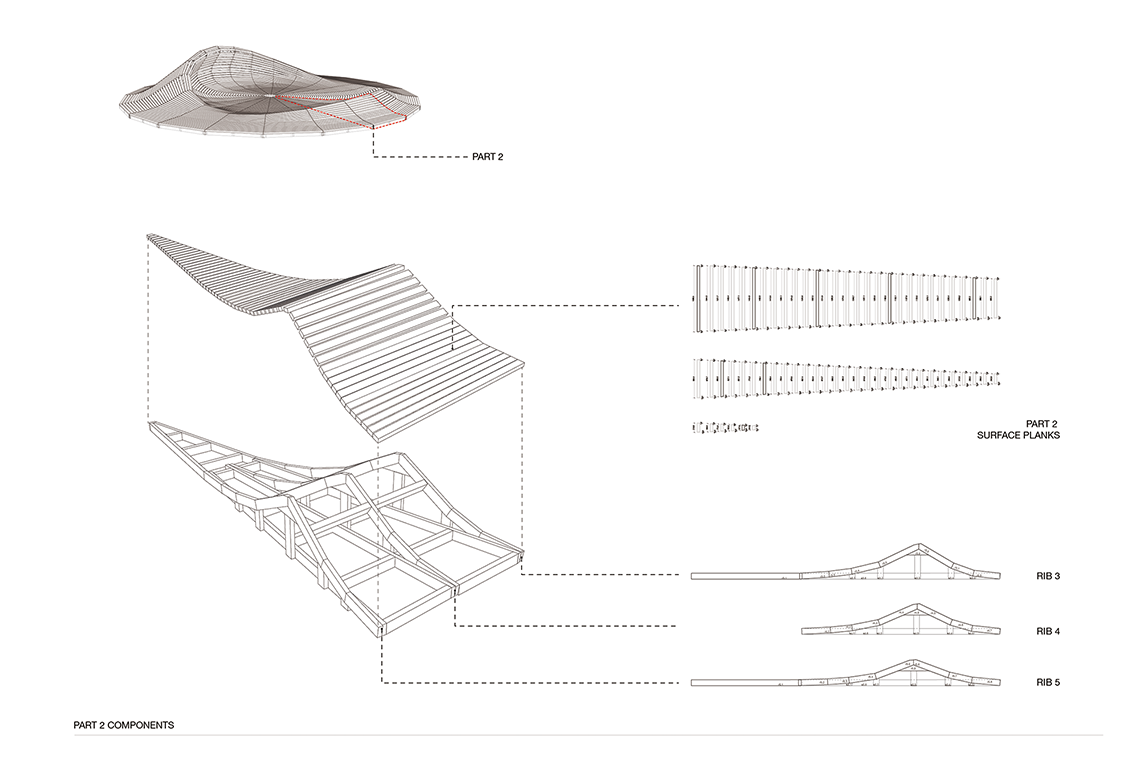
Multiple ideas and materials were tested to realize the complexity of smooth and undulating form. Wood was chosen for its strong structural capacity, ease of work with, and natural qualities. One of the main issues was to express continuous and smooth surface without using costly techniques of wood steaming, bending or digital fabrication. The solution was to divide the circular surface into a number of radial parts, with optimal number of 20 parts. Factors that determined this optimal number were, overall surface expression, production schedule, and transportation method (vehicle bed-size). These 20 radial parts were preassembled off the site and transported by a vehicle to the main site of Shiosai Park. Standard wood and off-the-shelf hardware were used in construction to avoid any costly customized fabrication process. 2x4 studs were used for all structural members and 30x60 mm treated cedar wood was used for the surface. The structure of radial parts consists of series of free-form ribs composed in segmentations with horizontal support and cross bracing for rigidity. Each radial segment has 64 surface planks attached to three structural ribs rigidly connected to each other with horizontal supports. The surfaces with the most anticipated traffic flow have narrow spacing between each plank, as the mount becomes higher, the spacing distance of surface planks increases, allowing users to climb the mount. The rising mount resulted from understanding the site and seasonal conditions, functioning as a sun shading and wind protection from the bay winds when sitting at inner area.
After the closing of Kobe Biennale, Crater Lake was disassembled and its materials and hardware were reused for street furniture, planters, and garden fences used by the local community.